
Systems Engineering of Surya
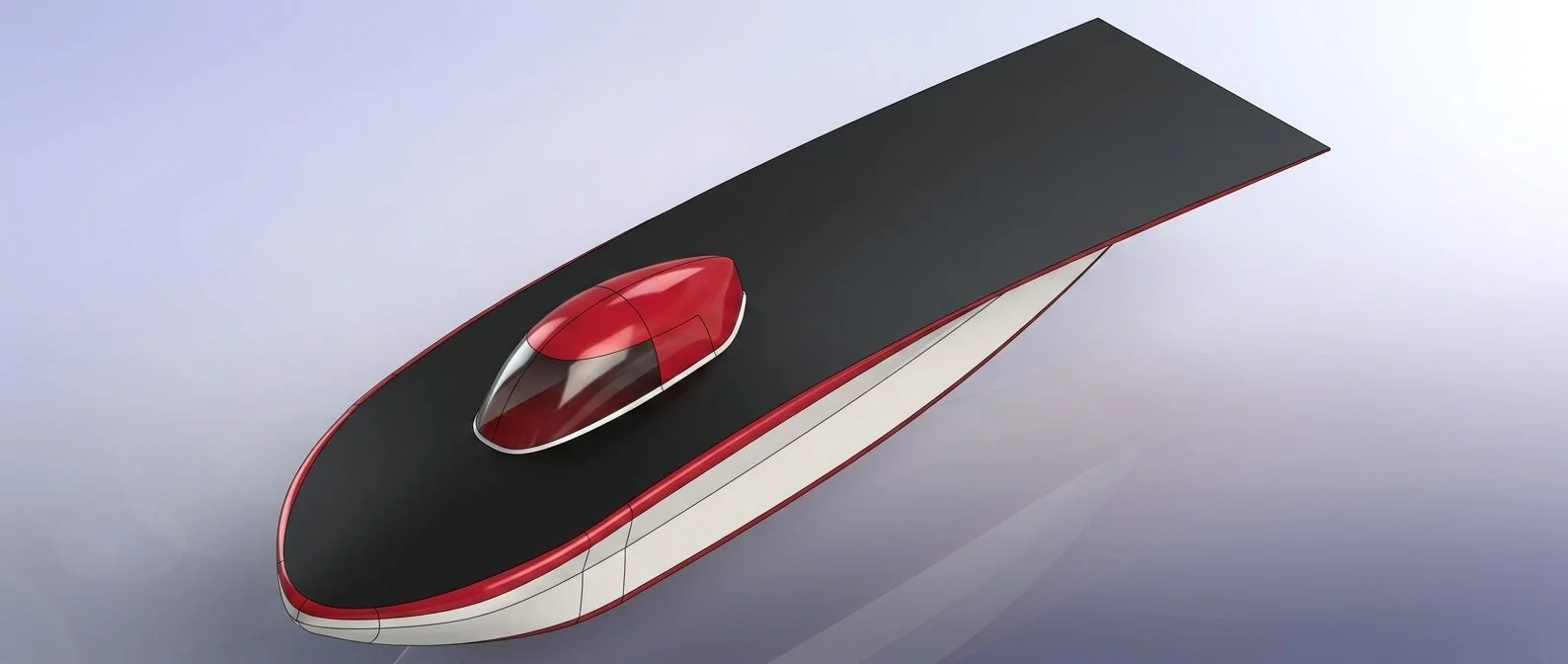
When I became Engineering Director, Surya had completed preliminary design, but significant detailed design work remained before manufacturing could begin. Several systems still required additional development, including a suspension architecture that needed to be reconsidered after previously unidentified issues were discovered.
My responsibility was to coordinate the structural and electrical groups as the vehicle moved through detailed design, procurement, manufacturing, and final integration.
Coordinating the vehicle as a complete system
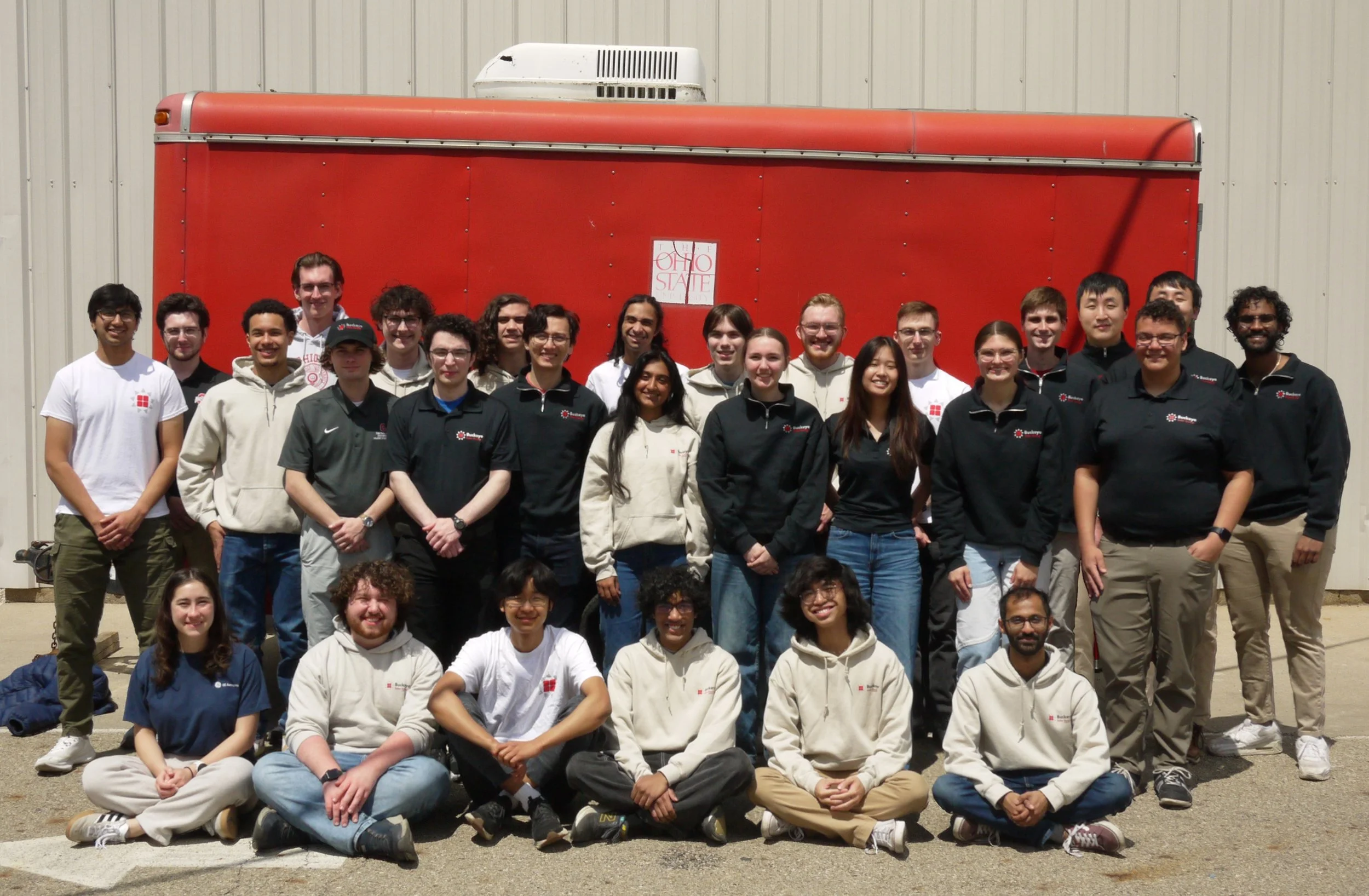
I led weekly engineering meetings alongside our President. These meetings consisted of project leads reporting progress, raising technical or manufacturing issues, reviewing incomplete action items, and established priorities for the following week.
Outside of these meetings, I met directly with individual leads when their projects depended on another subsystem. Shared vehicle CAD assemblies were used to check compatibility, while standardized CAD naming conventions were introduced to make components easier to locate and organize.
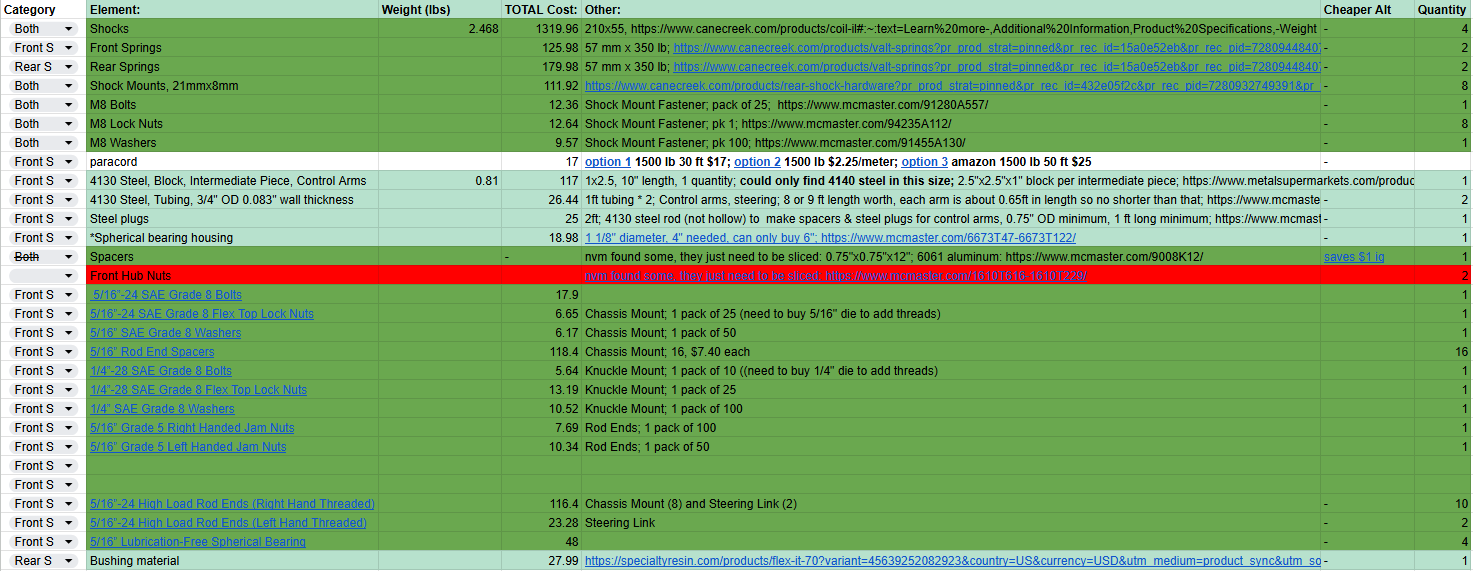
I also coordinated engineering procurement by collecting bills of materials and purchase requests from project leads, reviewing the technical need and timing of each item, and placing orders for components and raw material.
Creating a rhythm for cross-team coordination
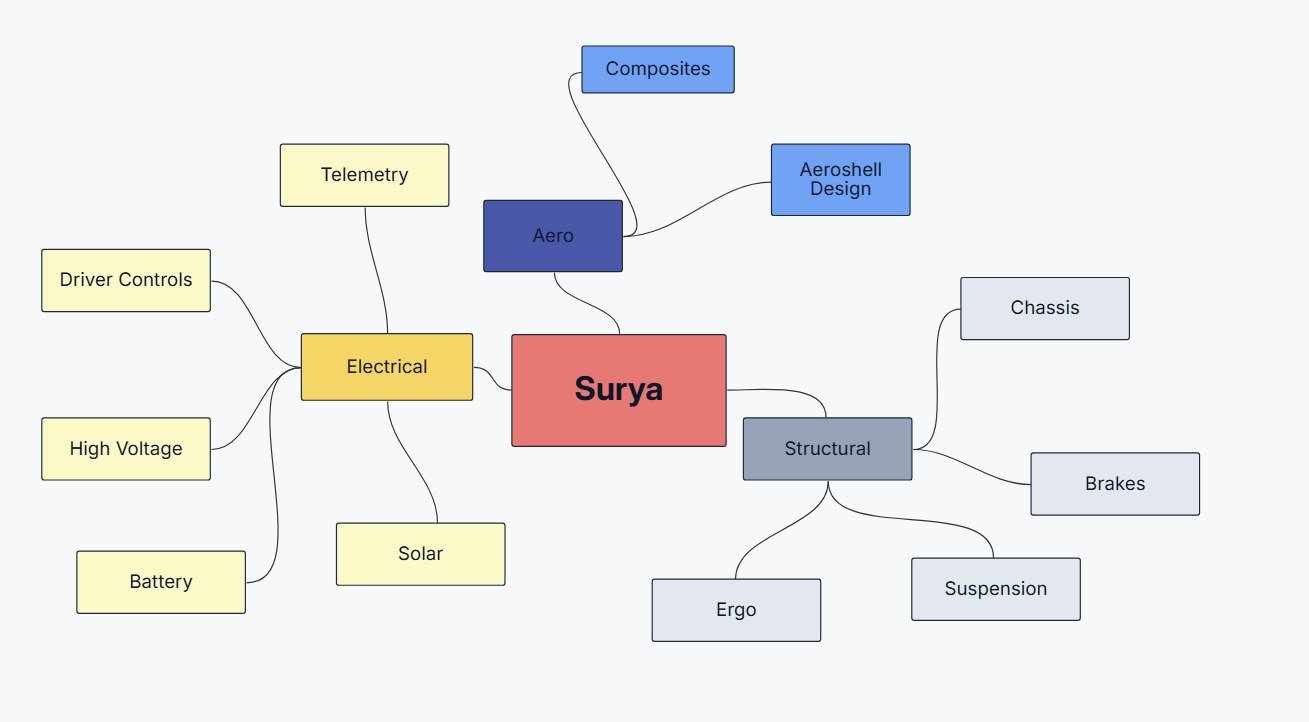
Because each system was developed by a different project group of students, many engineering decisions were reliant on information only select people knew first hand. I worked with the different project leads to identify these dependencies, communicate design requirements as per the race regulations, and resolve conflicts before they reached manufacturing.
Responding to critical integration conflicts
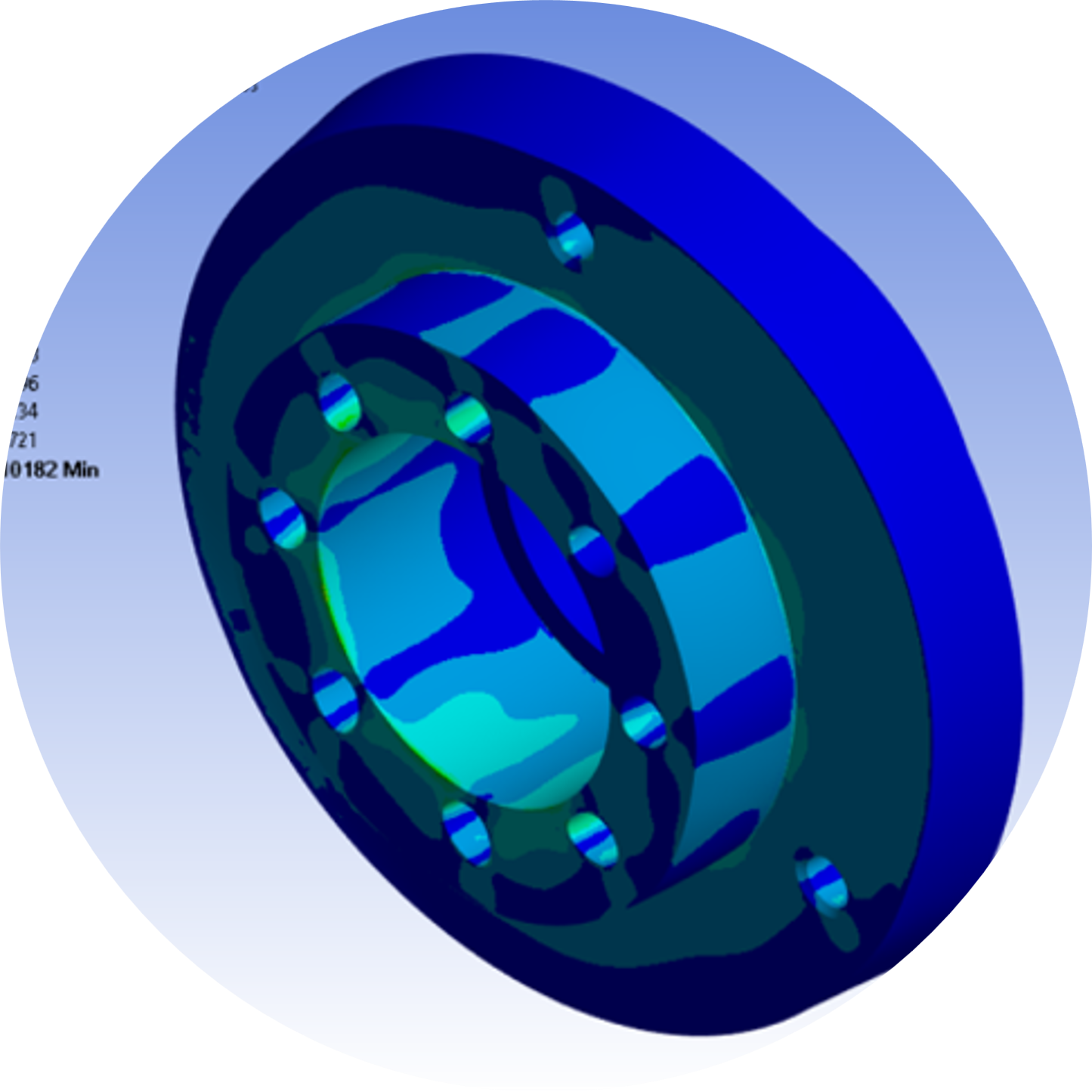
As we moved nearer to the end of design and prepared for manufacturing, a critical issue was discovered. The custom wheel rims the suspension and wheel hubs had been designed around had not be procured by previous management at the same time as the wheel hubs. This presented an issue due to the unacceptably long lead time for the wheel rims— a lead time that would prevent us from completing the goal of a rolling chassis in time for summer.
After meeting with the team President to evaluate paths forward, we arrived at a solution. A capable team member was identified and selected to develop an adapter to make our suspension work as designed with the wheels from our previous vehicle, Farasi II.
This resulted in us achieving our goal of rolling chassis by summer.